
If you’re thinking about installing vinyl flooring, you’re probably wondering about the need for underlayment. Does it really make a difference, or is it just an extra step that complicates your project?
You’ve come to the right place to uncover the truth. Imagine stepping into your home and feeling the perfect balance of comfort and style under your feet. Vinyl flooring offers a great blend of durability and aesthetic appeal, but knowing whether to use underlayment can make all the difference in achieving that ideal experience.
We’ll delve into the essentials you need to consider before laying down your vinyl flooring. You’ll discover how underlayment can impact your floor‘s performance, comfort, and longevity. As you read on, you’ll gain the insights needed to make a confident and informed decision. Stay tuned to learn how this simple choice can transform your living space.
Types Of Vinyl Flooring
Sheet vinyl is a large roll of flooring. It’s easy to install. It’s durable and water-resistant. You can find it in many colors and patterns. It’s good for bathrooms and kitchens. This type is cost-effective. It can cover large areas without seams. Seams can let water in. This makes it a great choice for wet areas.
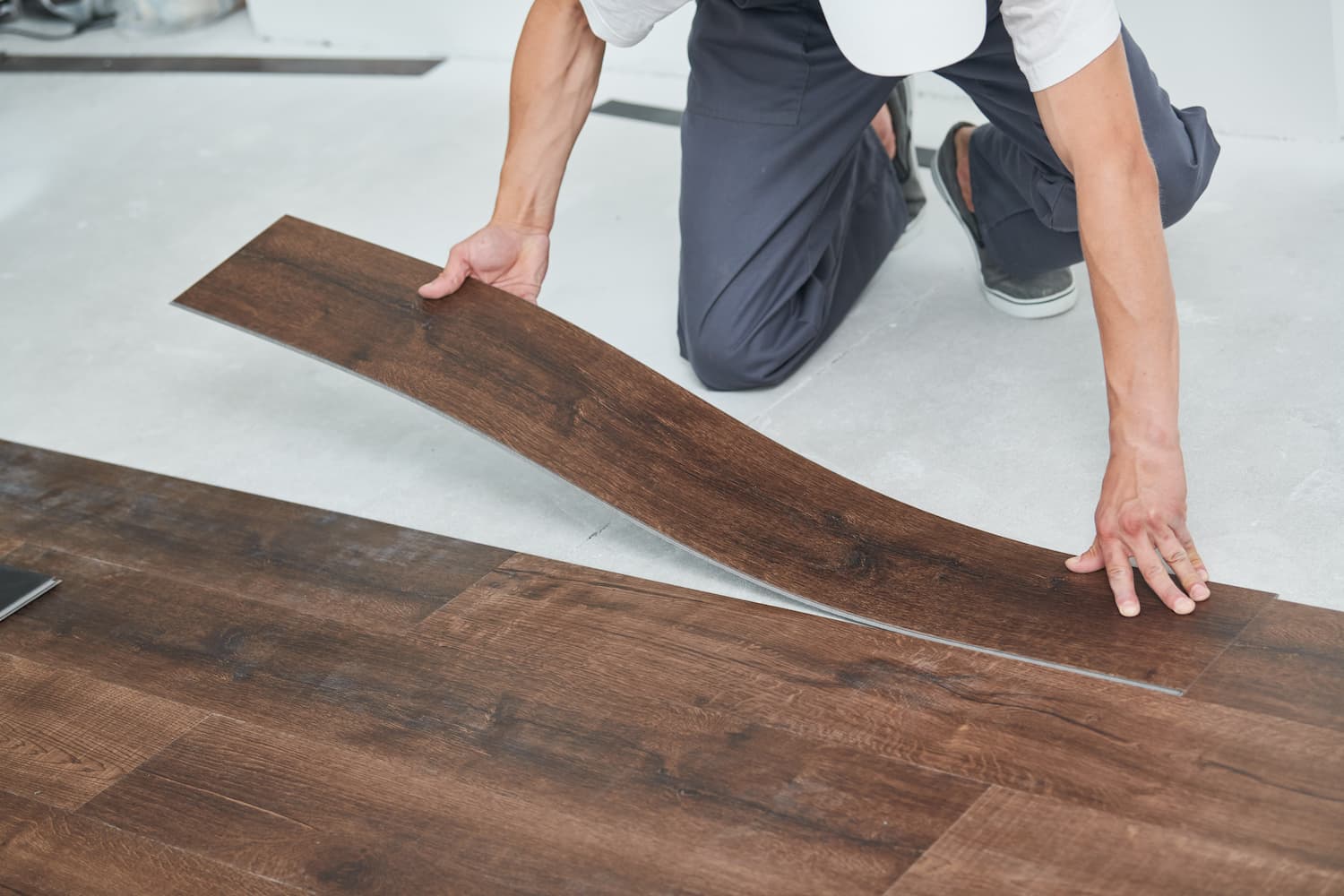
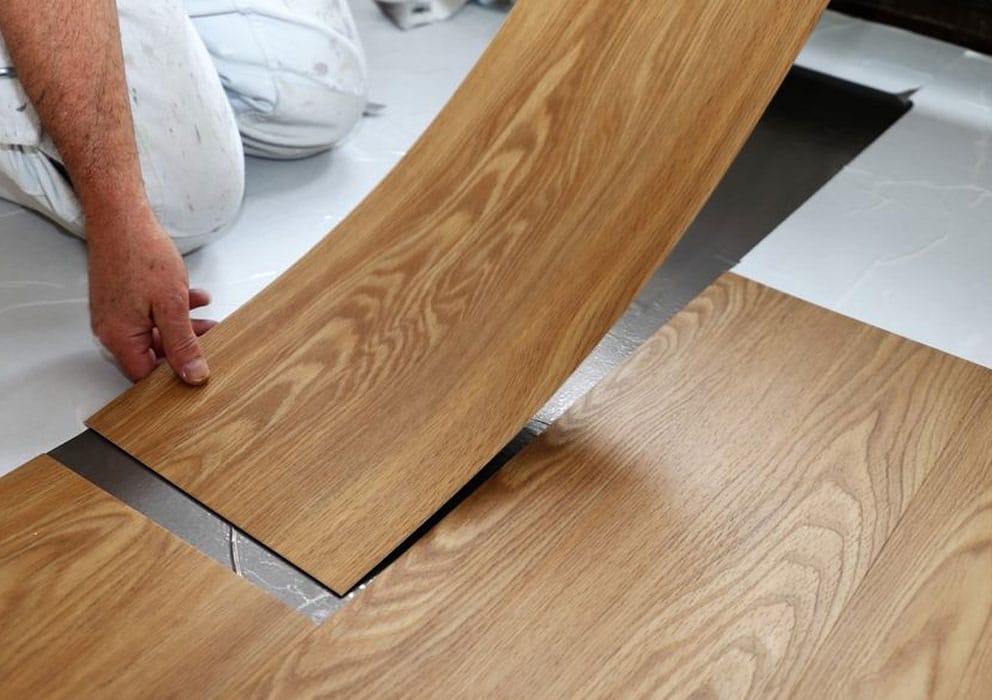
Luxury vinyl planks look like real wood. They are strong and last long. They are waterproof. This is important for areas with water. They feel warm underfoot. People often use them in living rooms and bedrooms. They are easy to install. You can do it yourself. They click together like a puzzle. This makes them popular for home projects.
Vinyl tiles are small and square. They are easy to replace if damaged. You can make patterns with them. This gives you many design options. They are also waterproof. This makes them good for bathrooms and basements. They are affordable. You can install them without glue. This means less mess. Many people like their flexibility.
Purpose Of Underlayment
Underlayment helps keep floors dry. It acts as a moisture barrier. This layer stops water from reaching the floor. It is important in damp areas. Bathrooms and basements need it most. Keeping floors dry stops mold.
Floors can be noisy. Underlayment helps with sound insulation. It makes rooms quieter. This is good for homes with many people. It helps keep peace in the house.
Walking on hard floors can hurt. Underlayment adds comfort underfoot. It makes floors softer. This helps feet feel good. Kids and pets enjoy softer floors. Everyone benefits from comfort.
Benefits Of Using Underlayment
Underlayment makes vinyl flooring last longer. It provides a strong base. This base protects the floor from damage. Heavy furniture won’t hurt the floor as much. Foot traffic also becomes less damaging. Your floor stays nice and smooth for years.
Vinyl floors can be noisy. Underlayment helps make them quiet. It absorbs sounds. Footsteps become softer. You won’t hear clinking or clattering. This makes rooms more peaceful. Perfect for homes with kids or pets.
Floors can feel cold. Underlayment keeps them warm. It acts like a blanket for your floor. This helps in cold weather. Your feet stay cozy. The room feels more comfortable. It can even save energy in the winter.
When Underlayment Is Necessary
Vinyl flooring often thrives without underlayment on smooth surfaces. Certain conditions demand underlayment for insulation and moisture control. Assess floor type and room needs before installation.
Installing Over Concrete
Concrete floors are hard and cold. Underlayment adds warmth and comfort. It helps with sound proofing. Concrete can be uneven. Underlayment smooths out the surface. It prevents damage to the vinyl. This helps the floor last longer.
Basement Flooring
Basements can be damp. Underlayment acts as a moisture barrier. It protects the vinyl from water. This stops the floor from warping. It keeps the vinyl looking nice. Underlayment also adds insulation. This helps keep the basement warm.
Areas With High Humidity
High humidity can damage vinyl. Underlayment helps to keep moisture away. It stops the vinyl from swelling. This keeps the floor flat and even. It also helps with temperature control. Underlayment makes vinyl last longer.
Types Of Underlayment For Vinyl
Foam underlayment is light and easy to install. It offers a soft cushion under your feet. This type helps with noise reduction. Moisture can be a problem, though. It is not the best for wet areas. Foam is a popular choice for many homes. It’s budget-friendly and available in most stores.
Cork underlayment is eco-friendly and natural. It provides a warm feel underfoot. This type helps with insulation and soundproofing. It is more expensive than foam. Cork is good for reducing mold and mildew. It works well in dry areas. Cork can be a great choice for bedrooms and living rooms.
Rubber underlayment is strong and durable. It offers great sound protection. It is ideal for basements and gyms. Rubber can handle moisture better than foam. It is a bit costly, though. This underlayment provides excellent grip. It is perfect for heavy traffic areas. Rubber lasts a long time if properly maintained.

Installation Tips
Ensure the subfloor is clean and level. Remove any dirt or debris. Check for any bumps or holes. Fix them using a filler or a scraper. A smooth surface helps the flooring lay flat. This is important for a neat finish.
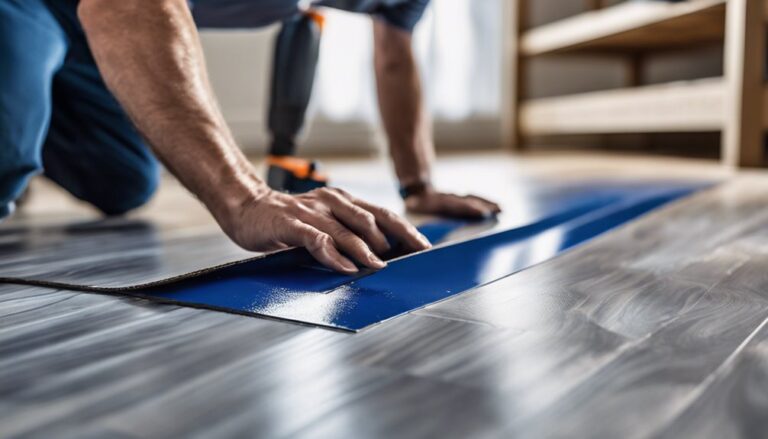
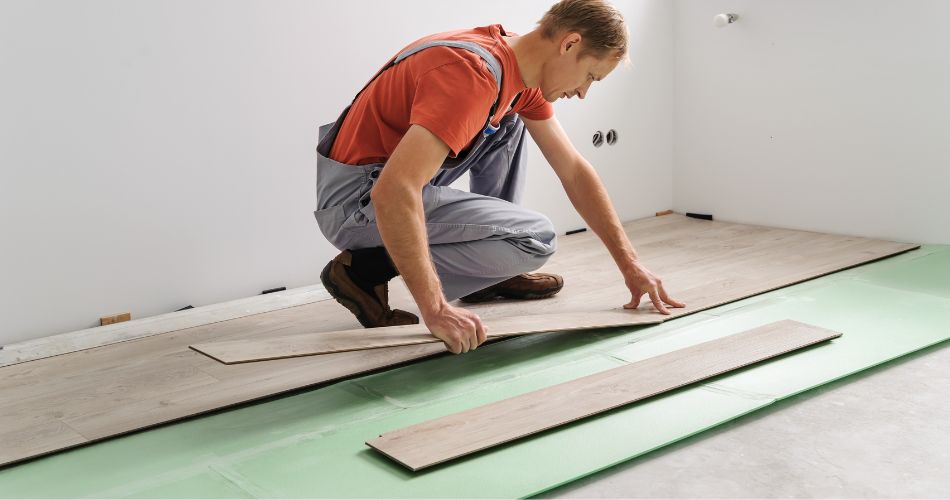
Roll out the underlayment carefully. Cut it to fit the room size. Leave a small gap at the edges. This helps with movement. Tape the seams together. This prevents shifting under the vinyl.
Start from one corner of the room. Lay the first piece of vinyl flooring. Press it down firmly. Align each piece next to the last. Make sure there are no gaps. Continue until the floor is covered. Trim the edges if needed. Check that all pieces are secure.
Common Mistakes To Avoid
Choosing cheap materials might save money. But it can cause problems later. Low-quality underlayment can wear out fast. This leads to uneven surfaces. Floors might feel bumpy or make noise when walked on. It’s better to invest in good quality materials. This ensures a smooth and long-lasting floor.
Floors can get damaged by water. Especially in bathrooms or kitchens. Ignoring moisture can lead to mold and floor damage. It’s important to choose an underlayment that blocks moisture. This keeps the floor safe and dry. Always check the moisture level before installing.
Seams connect different pieces of underlayment. If done wrong, they cause bumps or gaps. Floors might not look smooth. Make sure seams are tight and even. Use proper tools to seal them well. This helps the floor stay flat and pretty.
Maintenance And Care
Vinyl floors need gentle care. Use a soft broom or vacuum. This keeps dust away. Mop the floor with warm water weekly. Avoid harsh cleaners. They can harm the vinyl surface. Vinegar and water work well.
Place pads under furniture legs. This stops scratches. Avoid dragging heavy objects. It can tear the floor. Use rugs in high-traffic areas. They protect the floor.
Keep water away from vinyl. Wipe spills quickly to prevent damage. Use a dehumidifier in damp rooms. This helps keep the floor dry. Check for leaks often. Fix them to protect the vinyl.
Frequently Asked Questions
Is Underlayment Necessary For Vinyl Flooring?
Underlayment isn’t always necessary for vinyl flooring. It depends on the subfloor’s condition and type of vinyl. If your subfloor is smooth and even, you might not need it. However, underlayment can provide additional comfort, insulation, and soundproofing.
What Benefits Does Underlayment Provide?
Underlayment offers several benefits for vinyl flooring. It adds cushioning for comfort and reduces noise. It also provides thermal insulation, making floors warmer underfoot. Additionally, underlayment can protect the vinyl from moisture and prolong its lifespan.
Can Vinyl Plank Flooring Be Installed Without Underlayment?
Yes, vinyl plank flooring can be installed without underlayment. Many vinyl planks have an attached underlayment layer. However, in certain conditions, like uneven subfloors, additional underlayment might be beneficial for optimal performance.
What Type Of Underlayment Is Best For Vinyl?
Foam or cork underlayment works well with vinyl flooring. Both provide sound absorption and comfort. Foam is more affordable and moisture-resistant, while cork offers better insulation. Choose the one that best fits your needs and budget.
Conclusion
Choosing the right underlayment impacts vinyl flooring performance. It offers sound reduction. Adds comfort underfoot. Helps with moisture control. Not all vinyl flooring needs it, though. Consider your subfloor type. Think about room usage. Assess moisture levels. Evaluate sound insulation needs.
These factors guide your decision. Vinyl flooring can sometimes work without underlayment. Always check manufacturer’s guidelines. They provide specific advice. This ensures best results. Enhance your flooring experience. Make informed choices. Your vinyl floor will look great. And last longer.
Enjoy the beautiful finish. Keep it functional and stylish.