
Imagine walking into your home and noticing that your beautiful wood floor is swollen and damaged due to water exposure. It’s frustrating, right?
You might feel overwhelmed and unsure about how to tackle this issue without damaging your floors further. Don’t worry; you’re not alone. Many homeowners face this challenge, and the good news is that there are effective solutions you can apply to fix your water-damaged wood floor.
You’ll discover practical steps to restore your floor’s original beauty and prevent future damage. Ready to reclaim your home’s charm? Let’s dive into the solutions that will make your floors look stunning again.
Identifying Water Damage
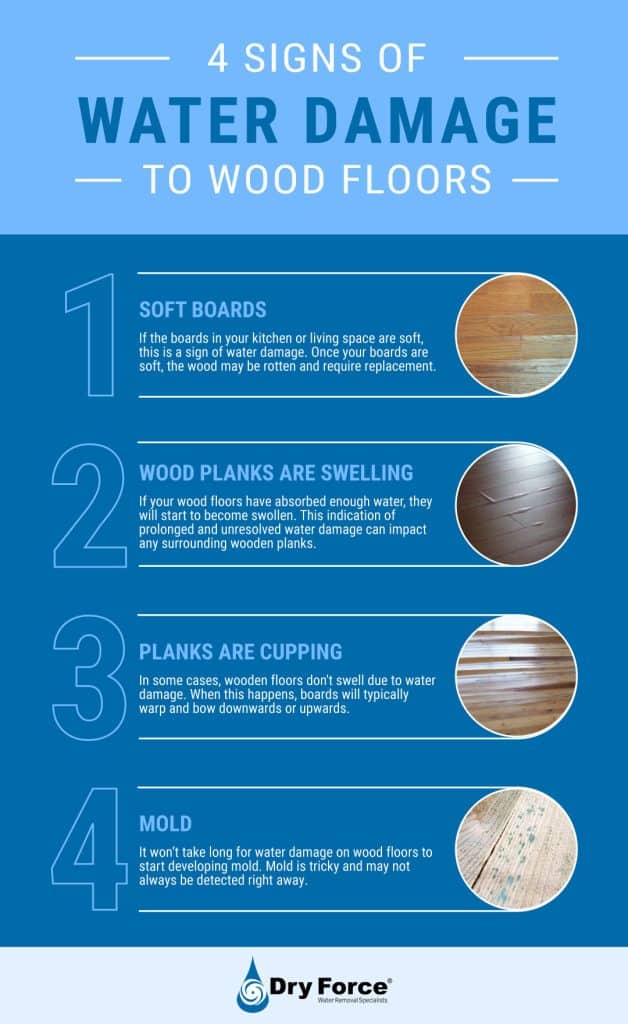
Wood floors can swell with too much water. Look for raised or bumpy spots. The floor might feel uneven. Discolored patches can also appear. These spots might look darker. Cracks or gaps may form between boards. Listen for creaks when walking. These are signs of trouble.
Leaking pipes often cause water damage. Heavy rain can flood your home. Broken appliances spill water too. Think of dishwashers or washing machines. Clogged gutters overflow and cause issues. Also, remember pets can spill water bowls. Even plant pots can leak onto floors.
Initial Steps For Repair
Be careful around the damaged floor. Slippery surfaces can cause falls. Use gloves to protect your hands. Wear boots to keep your feet dry. Turn off electricity in the area. Water and electricity can be dangerous. Keep children and pets away. Safety first!
Open windows for fresh air. Use fans to blow air on the floor. Air helps dry the wood faster. Place towels on the wet spots. Towels will soak up the water. Dehumidifiers can help remove moisture. Keep them running until the floor is dry.
Tools And Materials Needed
Repairing a swollen wood floor needs the right tools. A moisture meter helps find wet spots. Use a heat gun to dry the wood. A putty knife can scrape off old finish. A sander smooths the floor. Use a hammer and nails for loose boards. A level checks for evenness. Always have a dust mask for safety.
Materials are key for good repairs. Get wood filler for gaps. Use wood glue for cracks. Sealant helps protect the floor. Choose a finish that matches your floor. Buy sandpaper for smoothing edges. Paint or stain can help with color matching. Always check for compatible materials.
Repair Techniques
Small spots can be sanded away. Smooth the swollen parts. Use a sander carefully. Avoid sanding too much. After sanding, apply a finish. This protects the wood. Clean the area well before starting. Dry the floor completely. Check for further swelling. If it persists, deeper fixes might be needed.
Severe damage needs more work. Remove the damaged boards. Use a saw to cut them. Replace with new boards. Ensure they fit tightly. Use nails or glue to secure. Seal the area after replacing. This stops future water issues. Inspect nearby boards for damage. Fix them if needed.
Preventing Future Damage
Keep your wood floors safe from water. Use rugs near sinks and doors. Rugs catch water drops. Add mats in entryways. They stop wet shoes from touching wood. Install curtains or blinds. They block sunlight and keep floors cool. Seal gaps between wood planks. This stops water from sneaking in. Check for leaks in pipes. Fix them fast. Leaks damage wood over time.
Clean floors with a soft mop. Hard mops scratch the wood. Use a gentle cleaner. Strong cleaners harm the wood’s shine. Wipe spills right away. Water on wood is bad. Keep humidity low in rooms. Use a dehumidifier if needed. Polish floors twice a year. It keeps them shiny and strong. Check for cracks in the wood. Fill them to stop damage.

Professional Help
Water damage can make wood floors swell. This might need expert help. If the floor squeaks or feels soft, it’s time. Visible mold or a bad smell also needs attention. Big cracks in the wood? Call a professional. They have the right tools and skills. Waiting too long could harm your floor more.
Pick a pro who knows wood floors. Check their experience and reviews. Ask if they have the right licenses. A good expert will give a clear plan. They should tell you how long it will take. Also, get a written estimate. This helps avoid surprises. A trustworthy pro will answer questions kindly.

Frequently Asked Questions
How Do You Dry Swollen Wood Floors?
To dry swollen wood floors, first remove any excess water using towels or a wet vacuum. Then, use fans and dehumidifiers to circulate air and reduce moisture. Ensure the room is well-ventilated. If swelling persists, consult a professional for further assessment and repair.
What Causes Wood Floors To Swell?
Wood floors swell due to moisture absorption. This can result from spills, leaks, or high humidity. The wood expands as it absorbs water, causing swelling. It’s crucial to address moisture issues promptly to prevent further damage and maintain the floor’s integrity.
Can Swollen Wood Floors Be Repaired?
Yes, swollen wood floors can often be repaired. First, identify and resolve the moisture source. Dry the affected area using fans and dehumidifiers. If the swelling persists, sanding and refinishing might be necessary. In severe cases, replacing damaged planks may be required.
How To Prevent Wood Floor Swelling?
To prevent wood floor swelling, maintain indoor humidity between 30-50%. Use dehumidifiers and ensure proper ventilation. Clean spills immediately and fix leaks promptly. Regularly inspect your flooring for any signs of moisture damage. Proper care helps maintain the longevity of your wood floors.
Conclusion
Fixing water damaged wood floors requires patience and care. Start by drying the affected area thoroughly. Use fans and dehumidifiers. Sand the swollen sections gently. Apply wood filler where needed. Seal the floor with a protective finish. Regular maintenance prevents future damage.
Simple steps keep wood floors looking great. Remember, prompt action saves your floors. Don’t ignore small signs of damage. Wood floors add beauty to any room. Protecting them is easy with the right approach. Keep your home safe and stylish.
Enjoy the charm of well-maintained wood floors. They last longer with proper care.