


When tackling a bathroom renovation or dealing with plumbing issues, you might encounter the toilet flange—a crucial component that ensures your toilet functions correctly. But should this flange be flush with the floor?
This question might seem trivial, yet it holds the key to preventing leaks, ensuring stability, and maintaining hygiene in your bathroom. Imagine the frustration of a wobbling toilet or persistent unpleasant odors; these problems often stem from an improperly installed flange.
We will explore why the position of your toilet flange matters and how getting it right can save you time, money, and headaches. You’ll discover expert tips and practical insights that will empower you to make informed decisions, ensuring your bathroom remains a sanctuary of comfort and cleanliness. Dive in, and let’s unravel the mystery of the toilet flange together.
Toilet Flange Functionality
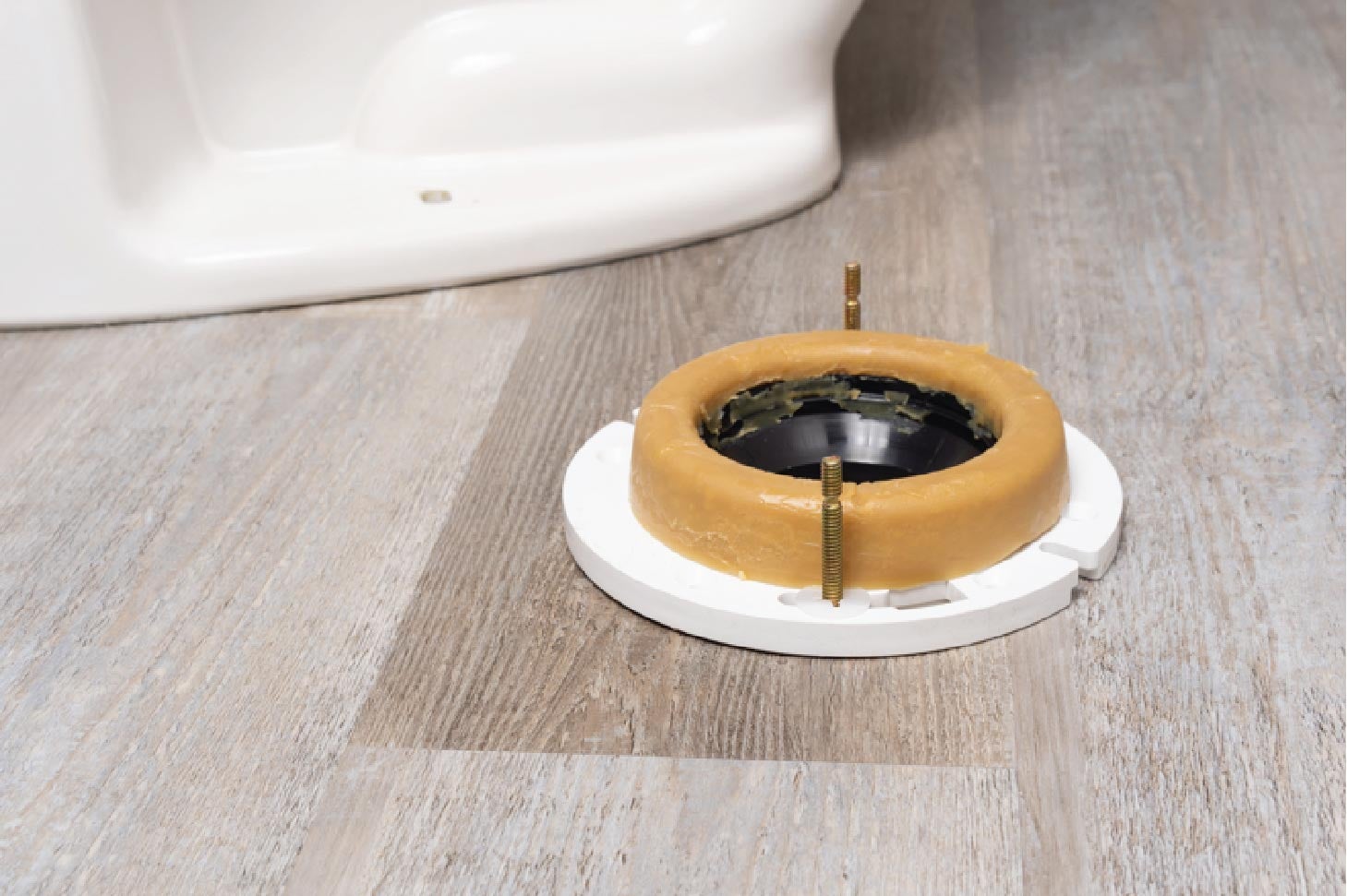
The toilet flange is a crucial part of the plumbing system. It connects the toilet to the drain pipe. This ensures waste goes to the sewer. A proper flange prevents leaks and keeps the bathroom clean. It also helps secure the toilet to the floor. Without a solid connection, the toilet could wobble. This might lead to water damage or smells.
Flanges come in different materials and types. Common materials include plastic, metal, and PVC. Each material has its benefits and drawbacks. For example, metal is strong but can rust. Plastic is light and won’t rust but might not be as strong. Different types include offset and deep-seal flanges. An offset flange allows for better alignment. Deep-seal flanges provide extra protection against leaks.
Flush Vs. Above Floor Placement
Flush installation keeps the toilet stable. It prevents leaks and odors. Easy cleaning is a big plus. No gaps mean no dirt traps. Proper alignment reduces wear and tear. Flush placement is often the recommended choice. It ensures long-term safety and efficiency. The toilet stays secure and balanced. It avoids rocking or tilting.
Above floor installation can cause problems. Toilets may wobble or tilt. Leaks are more common with this setup. Water can seep through gaps. Odor issues might arise. Cleaning becomes harder with uneven surfaces. Uneven placement increases repair costs. The toilet wears out faster. Stability is often compromised. Risks can lead to frequent maintenance needs.
Installation Best Practices
Gather these tools for a smooth installation. A wrench helps tighten bolts. Use a screwdriver for screws. A measuring tape ensures accuracy. Sealant keeps water from leaking. Get a new flange for replacement. Have some wax rings ready. Don’t forget gloves and safety glasses for protection. These items make your job easier.
First, turn off the water supply. Then, remove the old toilet. Unscrew the bolts on the floor. Next, clean the area. Place the new flange on the floor. Ensure it’s level. Then, attach the flange with screws. Use the wrench to tighten. Place a wax ring on the flange. Carefully set the toilet on top. Secure it with bolts. Finally, turn on the water supply. Check for leaks around the base.

Common Mistakes
Toilet flange positioning often confuses homeowners. The flange must be level with the floor for a good seal. A misaligned flange can cause leaks and wobbly toilets.
Improper Measurement
Proper measurement is crucial for toilet flange installation. Many make the mistake of not measuring correctly. Exact measurement helps avoid leaks and wobbling. Without it, the flange may not fit well. This can lead to unwanted gaps or misalignment. Always use a tape measure for accuracy. Check twice before cutting or fitting. This ensures a perfect fit and prevents future issues.
Ignoring Floor Leveling
Floor leveling is often overlooked during installation. A level floor is key for a stable toilet setup. Uneven floors cause rocking and may damage the flange. Use a spirit level to check the floor’s flatness. Make adjustments if needed. This step ensures smooth installation and prevents damage over time. A well-leveled floor keeps the toilet secure and functioning properly.
Troubleshooting Flange Issues
Ensuring the toilet flange is flush with the floor prevents leaks and wobbling. A level flange maintains a secure seal, offering stability. Addressing this common issue enhances bathroom safety and functionality.
Signs Of Flange Problems
Water leaks around the toilet base can mean flange issues. The toilet might also wobble or rock. These signs show the flange is not level. A bad smell in the bathroom is another clue. Check for loose tiles or cracks near the toilet. If flushing is noisy, it may hint at a flange problem. Keep an eye out for water stains on the ceiling below the toilet. These are all signs that need fixing soon.
Repair Solutions
Tighten any loose bolts to secure the toilet. Use wax rings to seal gaps. If the flange is too high, use a spacer. For low flanges, add a flange extender. Replace broken flanges with new ones. Use a repair ring for cracked flanges. Ensure the floor is dry before fixing. Check the new flange is flush with the floor. This helps prevent future problems.
Expert Tips
Ensure the toilet flange is level with the floor. This prevents leaks. A flange too high or low can cause problems. Water might seep out. This can damage floors. Always check the flange position. A simple check saves future headaches.
A properly placed flange helps the toilet work well. Toilets flush better with a well-placed flange. This ensures a strong flush. Weak flushes mean trouble. Keep the flange clean and free of debris. This helps the toilet seal correctly. A good seal prevents leaks.
Frequently Asked Questions
What Is A Toilet Flange?
A toilet flange is a plumbing fitting that connects the toilet to the floor and drain pipe. It ensures a secure and stable toilet installation, preventing leaks and maintaining proper alignment with the plumbing system. It is typically made from PVC, ABS, or cast iron.
Why Should Flange Be Flush With Floor?
The flange should be flush with the floor to ensure a proper seal between the toilet and the plumbing system. This prevents leaks and maintains stability, reducing the risk of damage to both the toilet and surrounding flooring. A flush flange helps maintain a smooth installation and effective waste removal.
How To Install Toilet Flange Correctly?
To install a toilet flange correctly, first ensure the floor is level and clean. Position the flange so it’s flush with the floor surface. Secure it with screws, aligning it with the drain pipe. Check for a tight fit to prevent leaks, ensuring optimal performance and stability of your toilet.
Can Flange Height Cause Toilet Issues?
Yes, incorrect flange height can cause toilet issues. If too high or low, it can lead to leaks, unstable installation, or drainage problems. A flush flange ensures a proper seal and stability, preventing common issues and maintaining effective waste removal.
Proper height is crucial for optimal toilet function.
Conclusion
Choosing the right toilet flange position matters. A flush flange ensures stability and prevents leaks. It helps with proper toilet installation. Without it, issues arise. Water can seep or toilets can wobble. This affects bathroom safety and hygiene. Consider your floor type.
Check for any uneven surfaces. A flush flange works best on level floors. Adjustments might be needed for uneven floors. Always prioritize precision in installation. Consult experts if unsure. They ensure your bathroom stays functional and safe. Proper flange placement is key.
Your bathroom deserves the best care.