
Imagine transforming your space with the timeless elegance of hardwood flooring. As you step onto its smooth surface, you feel a sense of warmth and luxury underfoot.
However, if your home has concrete floors, you might be wondering how to make this dream a reality. The process might seem daunting, but don’t worry—attaching hardwood floors to concrete is entirely possible and can be straightforward with the right guidance.
This article is your roadmap to achieving that beautiful hardwood finish. You’ll discover the essential steps and tips to ensure your flooring project is successful. Whether you’re a DIY enthusiast or simply planning to supervise the installation, understanding the process will empower you to make informed decisions. Ready to turn your concrete base into a stunning hardwood masterpiece? Let’s dive in and explore how you can seamlessly attach hardwood floors to concrete.
Preparing The Concrete Surface
Start by sweeping the concrete floor. Remove all dirt and dust. Use a vacuum for better results. Next, check the floor for bumps or holes. Fill any holes with concrete patch. Scrape off any bumps you see. A smooth floor helps the hardwood stick well. Use a level to check flatness. If the floor is uneven, use a concrete grinder. This makes sure the floor is flat.
Water can harm hardwood floors. Test the concrete for moisture first. Use a moisture meter. This tool checks if the floor is too wet. Place the meter on the concrete. Read the numbers it shows. If the numbers are high, the floor is too wet. Wait for the floor to dry. You can also use a plastic sheet test. Tape a plastic sheet to the floor. Leave it for 24 hours. Check for water under the sheet. If it’s wet, wait before adding wood.
Selecting The Right Adhesive
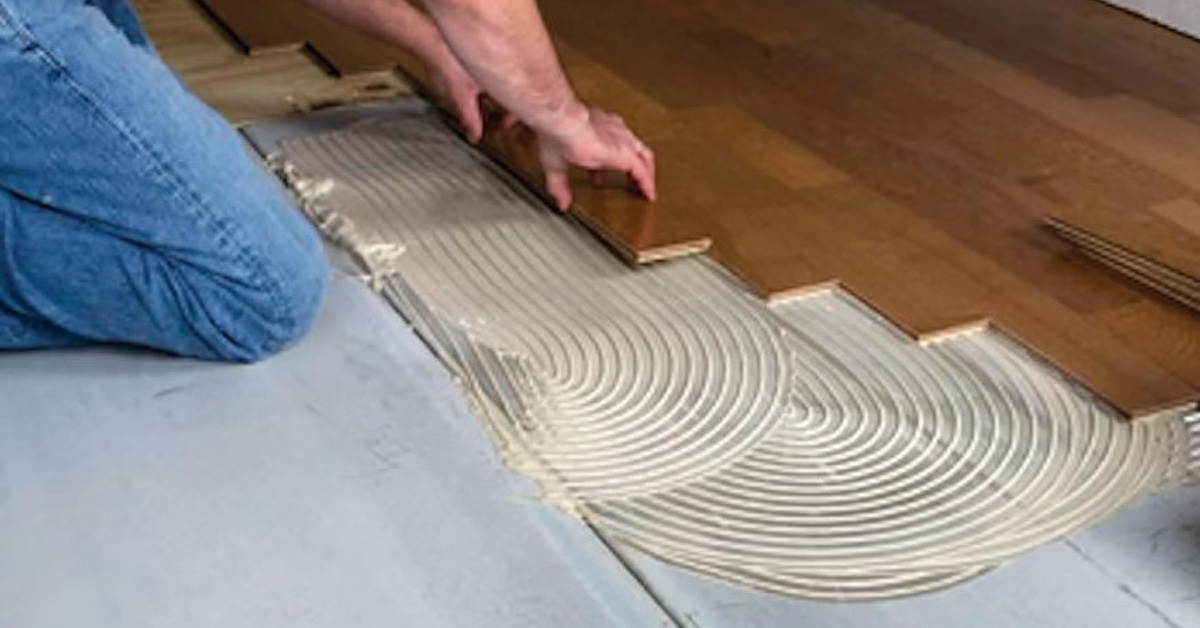
Different adhesives are used for hardwood floors. Polyurethane adhesives are strong and flexible. They hold the wood well. Water-based adhesives are easy to clean. They dry quickly. Urethane adhesives are great for moisture areas. They resist water. Epoxy adhesives are strong but costly. Good for heavy wood.
Solid wood needs strong glue. Polyurethane works best. Engineered wood can use water-based glue. It is lighter. For bamboo floors, urethane is good. It handles moisture well. Always read the instructions on the glue pack. It helps in proper use.
Installing A Moisture Barrier
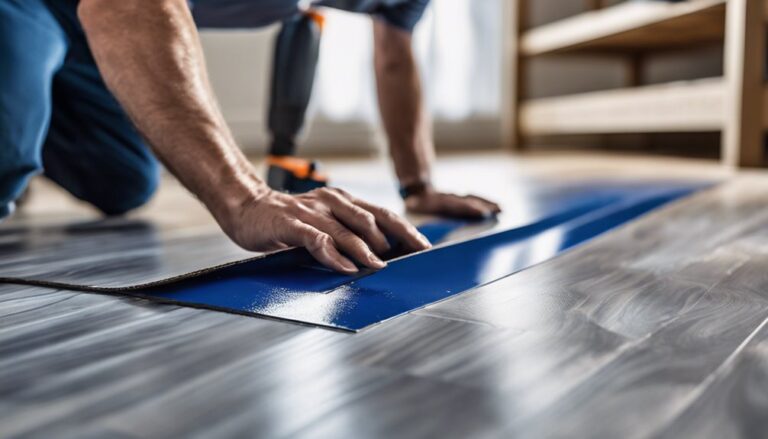
Moisture barriers keep water away from your floors. Water can damage wood. Protect the hardwood with a barrier. It acts like a shield. A simple plastic sheet can be used. It is easy to spread on the concrete.
Many people use special adhesive too. This helps in keeping the barrier steady. Make sure the barrier covers the whole area. No gaps should be left. This is important to keep floors safe.
Moisture barriers stop water from rising. Wet concrete can spoil wood. A dry floor is a happy floor. Barriers also help in reducing noise. They make walking on the floor quieter. The room feels warmer too.
Materials And Methods
| Material | Method |
|---|---|
| Plastic Sheet | Lay it flat on concrete |
| Special Adhesive | Use to stick the sheet |
| Tape | Seal edges of the sheet |
Laying Out The Hardwood
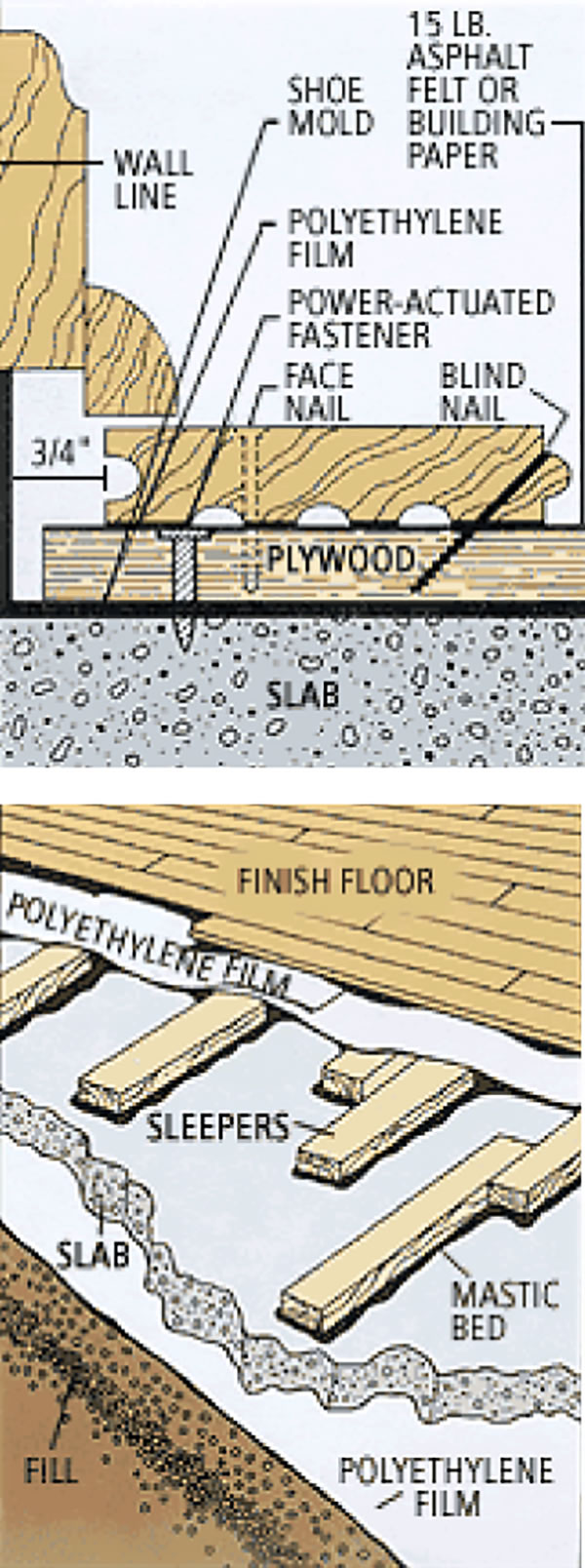
Attaching hardwood to concrete requires careful preparation for a smooth installation. Start by cleaning the concrete surface thoroughly. Use adhesive or a vapor barrier and plywood underlayment for a secure fit.
Acclimating The Wood
Wood needs time to adjust to the room. Acclimating is important. Leave the wood in the room for two days. This helps the wood adjust to the temperature and humidity. Do not skip this step. It prevents problems later. Wood can change shape if not acclimated. So, keep it in the room first. This will make your floor last long. Do not forget this step.
Planning The Layout
Plan your layout before you start. Use a chalk line to mark the floor. This helps you know where to place the wood. Decide the pattern you want. Straight lines or diagonal lines. Both look nice. Make sure the boards are even. Check your plan twice. Do not rush this part. Careful planning saves time later. It also makes your floor look good.
Gluing Hardwood To Concrete
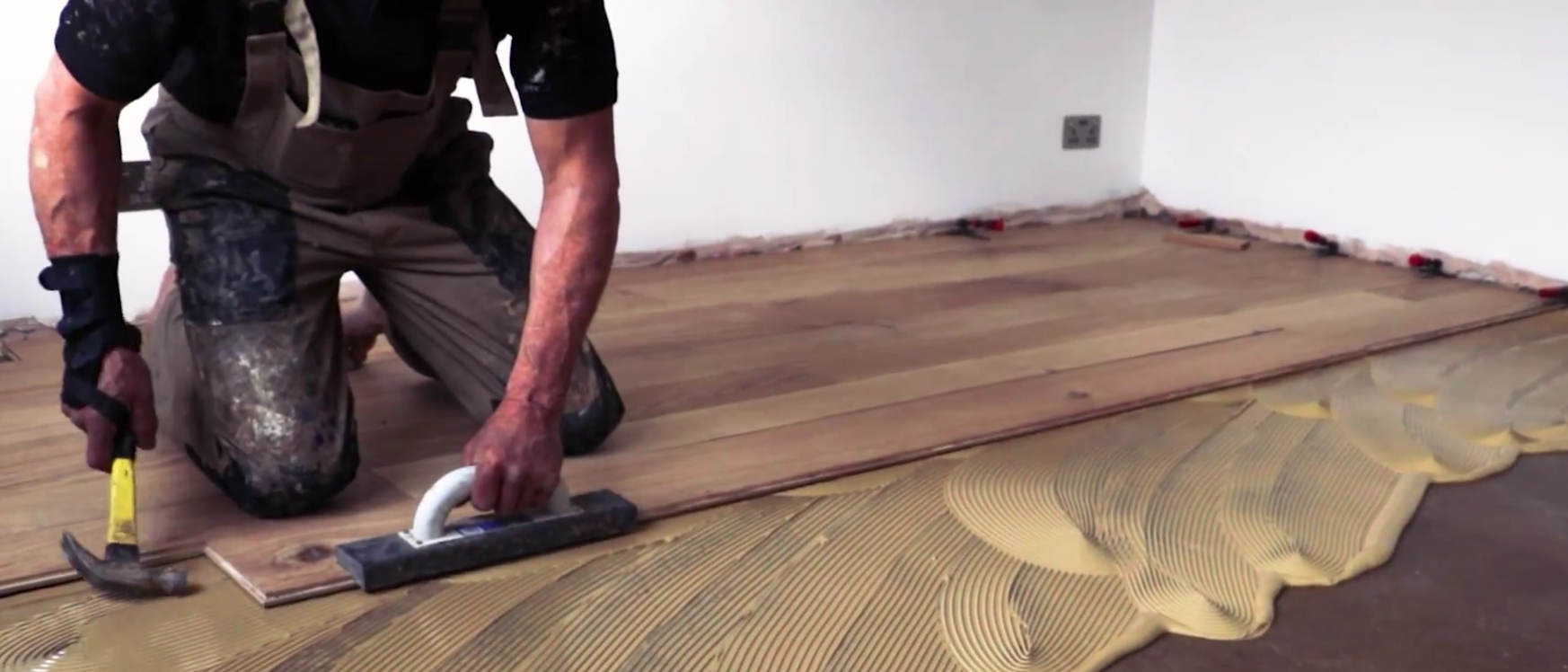
Use a high-quality adhesive to stick wood to concrete. Make sure the surface is clean and dry before starting. Spread the glue using a notched trowel. This tool helps in even spreading. Work in small sections to keep glue fresh. Press the wood firmly onto the glue. Use enough pressure for a strong bond. Wipe any extra glue with a damp cloth. This keeps the floor neat and tidy.
Align each wood piece carefully. Ensure it fits snugly with the others. Use spacers to keep equal gaps. Tap gently with a rubber mallet for a tight fit. Make sure no piece moves or shifts. Let the glue dry completely. This could take a few hours. Check all edges and adjust if needed. Proper alignment keeps the floor smooth and beautiful.
Nailing And Fastening Options
Concrete nails are good for attaching wood to concrete. These nails are strong and durable. First, you need a hammer and the right size nails. Hold the nail, and with the hammer, tap it into the wood. Then, place the nail over the concrete spot. Finally, hammer the nail into the concrete until it holds tight. Be careful not to hit your fingers.
Besides nails, glue can attach wood to concrete. Use a strong glue for this task. Spread the glue on the wood’s bottom. Place the wood on the concrete. Press it down firmly. Wait a while. Let the glue dry. Anchors are another option. Drill a hole in the concrete. Insert the anchor and attach the wood. Both methods work well.
Finishing Touches
Sanding makes the floor smooth. It removes rough spots. Use a fine grit sandpaper. This helps in getting a clean finish. Always sand along the wood grain. This prevents scratches. Sealing the floor protects it. It keeps the wood safe from water. Apply a thin coat of sealant. Let it dry completely. Then, add another coat. This ensures durability.
Clean the floor regularly. Use a soft mop. Avoid too much water. This prevents wood damage. Check the sealant often. Reapply if it wears off. This keeps the floor safe. Use rugs in high traffic areas. This reduces wear and tear. Fix scratches quickly. Use a wood filler. It hides small marks. Keep the floor looking new.

Troubleshooting Common Issues
Gaps between the hardwood floor and concrete can be troubling. Small gaps might lead to tripping hazards. Use a filler compound to fix these gaps. Make sure the floor is clean before applying it. If the floor is uneven, sanding might help. Check if any boards are loose. Tighten them to keep the floor smooth.
Adhesive problems cause boards to lift. This makes the floor uneven. Clean the area and remove old adhesive. Use a new, strong glue. Apply it carefully to the back of the board. Press the board firmly onto the concrete. Wait for the adhesive to dry. This keeps the floor in place and secure.
Frequently Asked Questions
How Do You Prepare Concrete For Hardwood Flooring?
To prepare concrete for hardwood flooring, clean the surface thoroughly. Remove any dust, dirt, or debris. Ensure the concrete is dry and level. Use a moisture barrier to prevent water damage. Patch any cracks or holes. This ensures a smooth and stable surface for the hardwood installation.
Can You Glue Hardwood Directly To Concrete?
Yes, you can glue hardwood directly to concrete. Use a high-quality adhesive suitable for hardwood flooring. Ensure the concrete is clean and level before applying the adhesive. This method provides a strong bond and reduces noise. It’s ideal for engineered hardwood flooring, which adapts well to concrete surfaces.
What Underlayment Is Best For Concrete Floors?
The best underlayment for concrete floors is a moisture-resistant one. Foam or cork underlayments are popular choices. They provide cushioning and sound absorption. Ensure the underlayment includes a vapor barrier. This prevents moisture from damaging the hardwood. Proper underlayment enhances the floor’s durability and comfort.
How Long Should Concrete Cure Before Installing Hardwood?
Concrete should cure for at least 30 days before installing hardwood. This ensures it is fully dry and stable. Moisture levels must be checked with a moisture meter. Proper curing prevents potential damage to the hardwood. It ensures a long-lasting and durable flooring installation.
Conclusion
Attaching hardwood floors to concrete is straightforward with the right steps. Start by preparing the concrete surface. Clean it thoroughly. Level any uneven spots. Choose the suitable adhesive or method. Follow the instructions carefully. Ensure the area is ventilated. Allow time for the adhesive to cure.
Patience is key. Your floor will be durable and beautiful. Regular maintenance will keep it looking new. Enjoy the comfort and elegance of your hardwood floor. A wise investment for your home. Enhance your living space with warmth and style.
Remember, proper installation ensures longevity. Your effort pays off.