
To install vinyl flooring, you first choose your type—sheet, tile, or luxury vinyl plank. Next, prepare your subfloor by ensuring it's clean, dry, and level, as these factors are essential for adhesion. Gather tools like a utility knife, measuring tape, and roller beforehand. Select an installation method, such as glue-down, click-lock, or loose lay, based on your preferences. Measure and cut the vinyl accurately before positioning and securing it in place. Finally, trim edges neatly and allow the flooring to settle for best performance. There's much more to learn about maintaining your new flooring efficiently.




Types of Vinyl Flooring
When choosing vinyl flooring, you'll encounter three primary types: sheet vinyl, vinyl tiles, and luxury vinyl plank (LVP). Sheet vinyl offers a seamless surface, ideal for moisture-prone areas, and is generally easy to install. Vinyl tiles provide versatility in design and allow for individual tile replacement, catering to creative freedom. On the other hand, luxury vinyl plank (LVP) mimics the appearance of hardwood, providing a sophisticated look without the maintenance. LVP is often thicker and more durable, making it suitable for high-traffic areas. Each type has unique installation methods, from glue-down to click-lock systems, giving you options that align with your lifestyle and preferences. Understanding these distinctions helps you choose the right product for your space.
Preparing the Subfloor
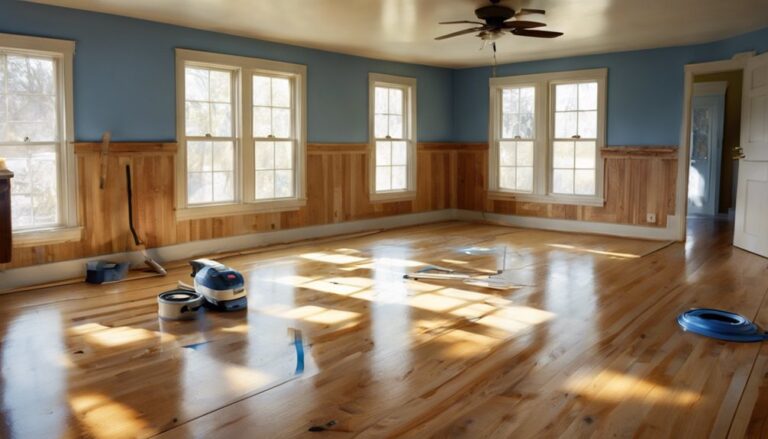
Proper installation of vinyl flooring hinges extensively on the condition of the subfloor. You'll need to assess subfloor types—plywood, concrete, or particleboard—each requiring specific preparation methods. Start by ensuring the surface is clean, dry, and free of debris. For plywood, check for squeaks and repair any damaged areas. Concrete may need leveling compound to address imperfections. If moisture is a concern, consider a moisture barrier. Once the surface is stable, you should sand any rough spots and fill gaps with appropriate filler. Finally, confirm the subfloor is flat within 1/8 inch over a 10-foot span. This meticulous subfloor preparation sets the foundation for a long-lasting vinyl floor that performs beautifully and enhances your space.
Tools and Materials Needed
To successfully install vinyl flooring, you'll need a specific set of tools and materials. Start by gathering essential tools like a utility knife, straight edge, and measuring tape, along with the required flooring materials such as vinyl planks or sheets. Additionally, make certain you have preparation supplies, including adhesive if needed, underlayment, and a roller for proper installation.
Essential Tools Overview
Before diving into the installation of vinyl flooring, it's important to gather the right tools and materials to guarantee a smooth and efficient process. Start with essential tools like a utility knife for precise cutting, a straight edge for those clean lines, and a measuring tape to guarantee accuracy. Don't forget a roller for securing the flooring and a knee kicker to fit edges snugly. You'll also need a square for aligning your planks and a chalk line for marking straight installation paths. These installation tips will help you avoid common pitfalls and achieve a professional look. With the right tools at your side, you'll feel empowered to tackle your vinyl flooring project.
Required Flooring Materials
Now that you've gathered your tools, it's time to focus on the required flooring materials. First, you'll need to choose your vinyl flooring types, whether it's sheet vinyl, vinyl tiles, or luxury vinyl planks. Each type has distinct characteristics influencing your installation approach. Next, acquire an underlayment if your flooring requires it, enhancing comfort and sound absorption. Don't forget adhesive or double-sided tape for certain vinyl types, as well as a utility knife for cutting pieces to size. Finally, make certain you have transition strips and baseboards to finish the edges neatly. Understanding these materials will empower you to apply effective flooring installation techniques, creating a durable and visually appealing result.
Preparation Supplies Needed
Preparation is key to a successful vinyl flooring installation, and having the right tools and materials on hand will streamline the process. You'll need a few essential tools: a utility knife for cutting the vinyl, a straightedge for accurate measurements, and a trowel if you're using adhesive vinyl flooring. A measuring tape and chalk line will help guarantee precise alignment. Don't forget a roller or flooring scraper for applying pressure and smoothing out the vinyl. For materials, verify you have your chosen vinyl flooring, underlayment if required, and any adhesive or seam tape based on your installation techniques. Having these supplies ready will empower you to tackle your project efficiently and achieve professional results.
Installation Methods Overview
While selecting the right vinyl flooring for your space is essential, understanding the various installation methods available is equally important. Each method has its unique benefits and potential installation challenges. Here are four common installation methods:
- Glue-down: This method involves adhering the vinyl directly to the subfloor, offering durability and stability.
- Click-lock: A floating floor system that allows for easy installation without adhesives, providing flexibility and speed.
- Loose lay: This method uses weight and friction to hold the vinyl in place, suitable for temporary applications.
- Sheet vinyl: A large roll of vinyl that can cover extensive areas, minimizing seams.
Choosing the right installation method can enhance the vinyl benefits, ensuring your flooring meets your lifestyle needs effectively.
Step-by-Step Installation Process
To effectively install vinyl flooring, you need to follow a systematic approach. Start by preparing the subfloor, ensuring it's clean and level, before measuring and cutting the vinyl to fit your space. Finally, secure the vinyl in place and finish the installation to achieve a professional look.
Prepare the Subfloor
A solid subfloor is essential for a successful vinyl flooring installation, as it provides the necessary support and stability. Proper subfloor preparation guarantees that your vinyl flooring adheres well and lasts longer. Here's how to prepare your subfloor effectively:
- Identify Subfloor Types: Determine whether you have concrete, plywood, or another type of subfloor.
- Clean the Surface: Remove dust, debris, and any old flooring materials that might interfere with adhesion.
- Check for Levelness: Use a leveling tool to verify the surface is flat; fill any low spots with a leveling compound.
- Repair Damages: Fix any cracks or holes in the subfloor to create a smooth, even surface.
Measure and Cut Vinyl
Measuring and cutting vinyl flooring accurately is essential for achieving a professional finish. Start by using precise measurement techniques: measure the room's length and width, and account for any irregularities. Once you have your dimensions, transfer them to the vinyl sheet, guaranteeing you leave a little extra for seams. For vinyl cutting, utilize a sharp utility knife and a straight edge to achieve clean edges.
| Step | Tool Needed | Purpose |
|---|---|---|
| Measure | Tape Measure | Guarantee accurate dimensions |
| Mark | Pencil | Indicate cutting lines |
| Cut | Utility Knife | Trim vinyl to fit perfectly |
Secure and Finish Installation
Once you've cut your vinyl flooring to fit the space, the next step is to secure and finish the installation. This process involves ensuring a lasting bond and a polished look. Follow these steps:
- Apply Vinyl Adhesives: Use a trowel to spread the adhesive evenly on the subfloor, ensuring full coverage.
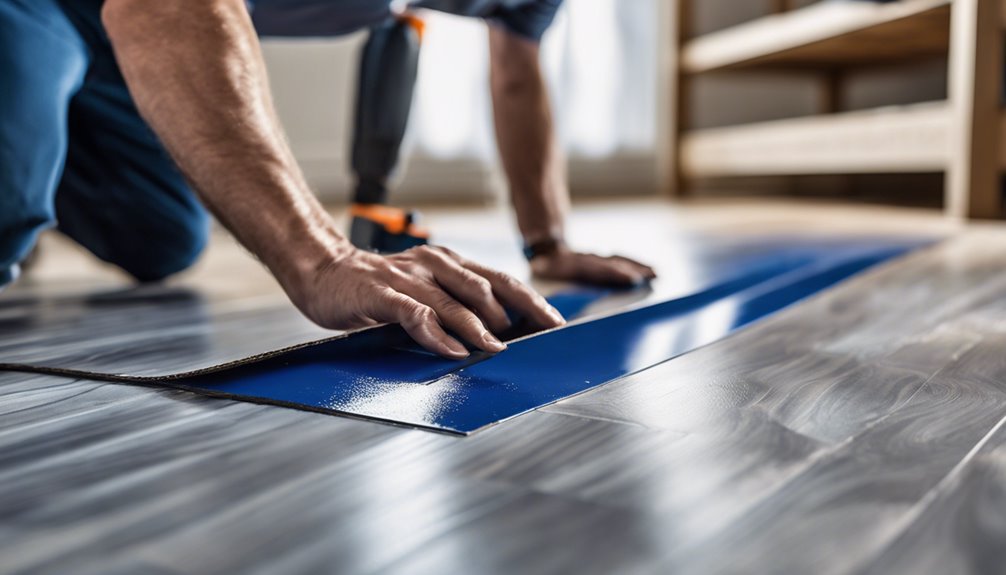
- Lay the Vinyl: Carefully position the vinyl pieces, pressing them firmly into the adhesive to eliminate air bubbles.
- Trim Edges: Use a utility knife to trim any excess material from the edges for a clean finish.
- Finish with Flooring Finishes: Apply any necessary trims or molding for a professional appearance, ensuring all seams are sealed.
Cleaning and Maintenance Tips
Maintaining the pristine condition of your vinyl flooring requires a systematic approach to cleaning and care. Start with regular maintenance routines, like sweeping or vacuuming to remove debris. For deeper cleaning, use appropriate cleaning techniques—opt for a mixture of warm water and a gentle vinyl cleaner. Avoid harsh chemicals that can damage the surface.
When mopping, use a damp mop rather than saturating the floor, as excess water can seep into seams. To prevent scratches, place mats at entryways and avoid dragging heavy furniture. Periodically, inspect your flooring for any signs of wear or damage, addressing issues promptly to maintain its appearance. With these steps, you'll guarantee your vinyl flooring remains vibrant and durable for years to come.
Frequently Asked Questions
Can I Install Vinyl Flooring Over Existing Carpet?
You might think installing vinyl flooring over existing carpet is an easy solution, but it often presents significant installation challenges. The carpet can create an unstable surface, leading to uneven flooring and potential damage. Furthermore, carpet removal is typically recommended to guarantee a proper subfloor. This way, you'll enhance durability and achieve a smoother finish for your vinyl. Taking the extra step to remove the carpet will ultimately provide you with a better result.
How Long Does Vinyl Flooring Installation Typically Take?
When considering the installation timeline for vinyl flooring, you can expect the project duration to vary based on several factors. Generally, a professional can complete the installation in one to two days for an average-sized room. However, preparation work, such as removing old flooring or addressing subfloor issues, may extend this timeline. If you're DIY-ing, allocate extra time for planning and ensuring a precise fit, which can impact your overall schedule.
Is Professional Installation Recommended for Vinyl Flooring?
Think of vinyl flooring like a stage; it needs a skilled hand to guarantee the performance is flawless. While DIY can be tempting, professional installation offers significant benefits. Their expertise assures precision in measurements and seamless edges, elevating the aesthetic. Additionally, they can navigate potential challenges, providing peace of mind. If you value a long-lasting, beautiful floor, investing in professional installation might just be the freedom you need from future repairs.
What Is the Cost Difference Between Vinyl and Other Flooring Options?
When you consider a cost comparison between vinyl and other flooring materials, you'll find vinyl generally offers a more budget-friendly option. While hardwood or natural stone can cost considerably more due to material and installation expenses, vinyl maintains affordability without sacrificing style. Additionally, its lower maintenance costs and durability can lead to savings over time, making it an attractive choice for those seeking both quality and economic freedom in their flooring decisions.
Can Vinyl Flooring Be Installed in Bathrooms and Kitchens?
Absolutely, you can install vinyl flooring in both bathrooms and kitchens. Its bathroom durability makes it a popular choice, as it resists moisture and stains, guaranteeing a long-lasting surface. In kitchens, vinyl's ability to handle moisture is essential, preventing warping and damage. When installed correctly, vinyl provides a seamless, easy-to-clean surface, offering freedom from constant upkeep. Just make sure proper subfloor preparation and moisture barrier installation for peak performance.