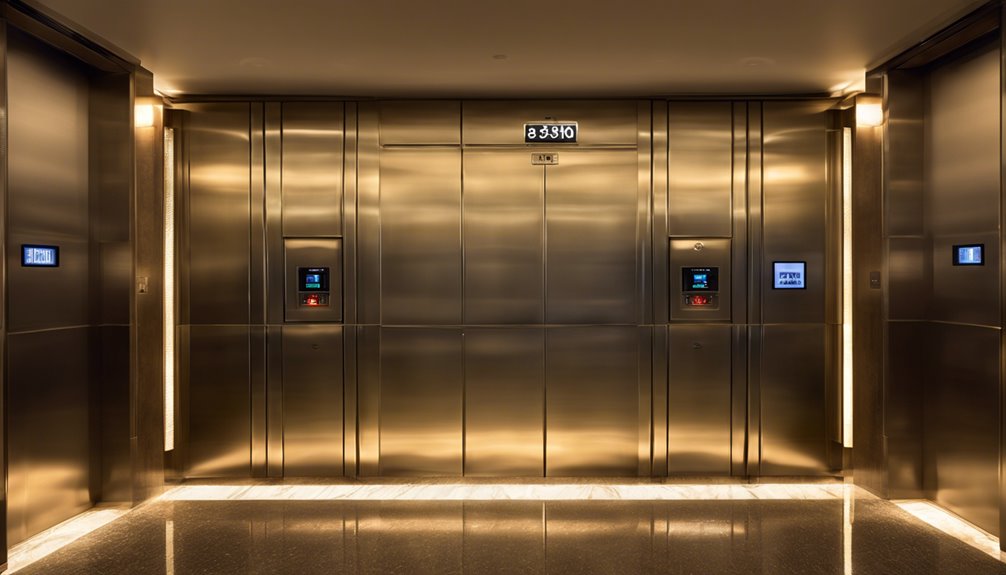

You might notice that many hotels lack a 13th floor, and this is largely tied to cultural superstitions regarding the number's association with bad luck. This belief is prevalent in Western cultures, leading hotels to omit the 13th floor to enhance guest comfort and alleviate anxiety. Hotels often opt for alternative naming conventions, labeling the floor as 14 or using letters like "M" to create a more welcoming atmosphere. Understanding these practices reveals deeper insights into architectural choices and guest psychology, and there's more to discover about how hotels navigate these complex cultural dynamics.
Historical Significance of Number 13
Although many cultures regard the number 13 with superstition, its historical significance is complex and varied. In numerology beliefs, 13 often symbolizes transformation and rebirth, marking a departure from the old to embrace the new. Historically, significant events have occurred on the 13th day of the month, challenging the negative connotations associated with this number. For instance, the Apollo 13 mission, despite its challenges, ultimately led to advancements in space exploration. Additionally, the number 13 can be linked to ancient practices where it represented cycles of life and death. Understanding these historical events and numerological perspectives allows you to appreciate the multifaceted nature of the number 13, transcending mere superstition to reveal deeper meanings in history and culture.
Cultural Beliefs and Superstitions
While many cultures embrace various superstitions, the number 13 often stands out as a particularly significant point of contention. This number holds distinct cultural significance, rooted in ancient numerology beliefs that perceive it as unlucky. For instance, in Western cultures, 12 is often seen as a symbol of completeness—think of the 12 months or zodiac signs—while 13 disrupts this harmony. In contrast, some cultures, like in Italy, view 13 as a lucky number, highlighting the diversity of beliefs surrounding it. Hotels, recognizing the widespread discomfort with the number, often skip the 13th floor entirely, catering to the preferences of their guests. This decision reflects a broader response to the cultural landscape, where beliefs shape experiences and expectations in hospitality.
Psychological Impact on Guests
When you consider the absence of a 13th floor in hotels, it's clear that superstitions and cultural beliefs notably shape guest perceptions. This decision often caters to a fear of the unknown, as many individuals associate the number 13 with misfortune. Understanding these psychological factors can help hotel managers create a more inviting atmosphere for all guests.
Superstitions and Beliefs
Many guests may not realize that their psychological comfort can be markedly influenced by superstitions, particularly regarding the absence of a 13th floor in hotels. This design choice ties directly into number symbolism, as many cultures associate the number 13 with bad luck. By omitting this floor, hotels aim to create a welcoming environment, minimizing discomfort among guests who might hold these beliefs.
Incorporating superstitions into hotel design reflects an understanding of psychological impact. Guests often feel more at ease in spaces that align with their beliefs, enhancing their overall experience. While some may dismiss these notions as irrational, recognizing their importance can empower hotels to cater to diverse preferences, ultimately fostering a sense of freedom and comfort during their stay.
Fear of the Unknown
The psychological impact of omitting the 13th floor extends beyond mere superstition; it taps into a broader theme of the fear of the unknown. For many guests, the absence of this floor can amplify fear factors associated with unknown outcomes. When you enter a hotel, your mind naturally seeks to establish comfort and familiarity, but the idea of a "missing" floor can disrupt that sense of security. This absence may evoke unease, making you question what lies beyond that invisible threshold. As the brain grapples with the implications of this omission, it can heighten anxiety, leading to a less enjoyable stay. Hotels, aware of these psychological dynamics, strategically sidestep the number to foster a sense of safety and ease for their guests.
Architectural Design Choices
When considering architectural design choices, you'll notice how cultural superstitions, like the aversion to the number 13, greatly shape hotel layouts. Additionally, safety regulations and marketing strategies often influence these decisions, impacting both the physical structure and guest perceptions. Understanding these factors can reveal why the absence of a 13th floor is more than just a superstition; it's a calculated choice in hotel design.
Cultural Superstitions Impact
Although cultural superstitions may seem trivial, they considerably influence architectural design choices, particularly in the hospitality industry. You might notice that many hotels skip the 13th floor due to widespread beliefs regarding bad luck associated with the number thirteen. These cultural variations stem from superstition origins that date back centuries, often linked to religious or historical contexts. In some cultures, the number four is similarly avoided because it sounds like the word for "death." This avoidance shapes hotel designs to cater to guest comfort and perceptions, ensuring that architectural choices align with cultural sensitivities. By understanding these influences, you can appreciate how design decisions reflect a deeper connection to the beliefs and values of diverse clientele.
Safety Regulations Influence
Cultural beliefs aren't the only factors shaping architectural decisions in hotels; safety regulations also play a significant role. Hotels must comply with stringent safety standards and building codes to guarantee guest welfare. This compliance often influences design choices, including the decision to omit a 13th floor.
Consider the following factors:
- Fire Safety: Regulations dictate specific evacuation routes and fire safety measures that can influence floor counts.
- Structural Integrity: Building codes require adherence to load-bearing standards, which can affect how many floors are feasible.
- Accessibility: Safety standards mandate that hotels provide accessible features, impacting the overall floor layout.
Marketing Strategies Employed
While many may view the absence of a 13th floor as merely a nod to superstition, it also serves as a savvy marketing strategy for hotels aiming to enhance guest appeal. By skipping the 13th floor, hotels employ branding tactics that align with positive guest perceptions, fostering a sense of comfort and safety. This choice reflects an understanding of consumer psychology, as many guests may subconsciously associate the number 13 with bad luck. Consequently, omitting the floor can lead to increased bookings and higher occupancy rates. Additionally, hotels can creatively label the 14th floor in this manner without any negative connotations, further reinforcing their commitment to guest satisfaction. Ultimately, this architectural design choice exemplifies strategic thinking in the hospitality industry.
Real Estate and Market Considerations
When it comes to real estate and market considerations, the absence of a 13th floor in hotels often reflects a strategic response to consumer perceptions and economic factors. This decision can greatly impact real estate pricing and market demand. By omitting the 13th floor, hotels aim to attract guests who might otherwise be deterred by superstition.
Here are three key considerations:
- Consumer Sentiment: Many guests prefer staying in buildings that avoid the stigma of the number 13.
- Market Positioning: Hotels that align with guest preferences can enhance their brand image.
- Occupancy Rates: Higher occupancy translates to increased revenue, making it crucial to cater to consumer beliefs.
Ultimately, these factors influence overall market dynamics in the hospitality industry.
Global Perspectives on the 13th Floor
The perception of the number 13 varies considerably across the globe, influencing architectural choices in hotels and other buildings. In Western cultures, global attitudes often associate 13 with bad luck, prompting many hotels to skip this floor entirely. Conversely, in some Asian cultures, the number is not viewed negatively; in fact, it can symbolize prosperity and good fortune. Regional variations also play a role—while a hotel in the U.S. might label the 12th floor as the 14th, a hotel in China may embrace the number 13, reflecting local beliefs. Understanding these differing perspectives helps hotel operators cater to their clientele, ensuring that design choices align with the cultural values of the guests they seek to attract.
Alternative Naming Conventions in Hotels
In response to cultural sensitivities surrounding the number 13, many hotels adopt alternative naming conventions to sidestep potential discomfort for guests. These naming alternatives not only enhance guest experience but also reflect cultural awareness. Here are three common strategies in room numbering:
- Skip the 13th Floor: Many hotels simply label the 12th floor as the 14th.
- Use Letters: Some establishments employ letters, so the 13th becomes "M" or "X."
- Creative Themes: Certain hotels opt for thematic names, like "Sky Level" or "Penthouse," to replace traditional floor numbers.
Frequently Asked Questions
Are There Hotels That Do Include a 13TH Floor?
Yes, there are hotels that include a 13th floor, but they're less common due to cultural superstitions surrounding the number. In hotel architecture, many establishments opt to skip the 13th floor, labeling it as the 14th to avoid potential discomfort for guests. However, some hotels embrace the number, recognizing that it can offer unique branding opportunities and a chance to break away from tradition, catering to those who appreciate freedom from superstition.
How Do Guests React to the Absence of a 13TH Floor?
When you think about the absence of a 13th floor, you might notice mixed reactions from guests. Some embrace the absence with a sigh of relief, aligning with their superstitious beliefs. Others may perceive it as peculiar or perplexing, questioning the hotel's decision. Ultimately, guest perceptions vary, reflecting a broader cultural attitude towards luck and superstition. This fascinating phenomenon underscores how deeply ingrained these beliefs can be in our everyday experiences.
Do All Countries Avoid the 13TH Floor in Hotels?
Not all countries avoid the 13th floor in hotels. While many do, driven by cultural beliefs surrounding superstition and luck, others embrace it without hesitation. Architectural practices vary widely, reflecting local attitudes. In some cultures, the number 13 is seen as unlucky, leading to its omission, while in others, it's just another floor. Ultimately, it's essential for hotel operators to contemplate their target audience's perceptions and preferences when designing their buildings.
What Is the Origin of the Fear of the Number 13?
The fear of the number 13, known as triskaidekaphobia, has roots in various cultural beliefs and superstitions. Its origins can be traced back to ancient civilizations, where the number was often associated with bad luck and misfortune. For instance, in Norse mythology, 12 gods were invited to a banquet, and the 13th guest, Loki, brought chaos. This cultural significance has perpetuated the fear, influencing societal norms and practices around the number 13 even today.
Can the Absence of a 13TH Floor Affect Hotel Pricing?
Can the absence of a 13th floor really influence hotel pricing? Absolutely! Many hotels employ pricing strategies that account for superstition impacts. By skipping the 13th floor, they cater to guests who may avoid it due to their fears, thereby maintaining higher occupancy rates on adjacent floors. This subtle avoidance can create a perception of value, allowing hotels to optimize their pricing without losing potential customers who might be deterred by traditional numerology.