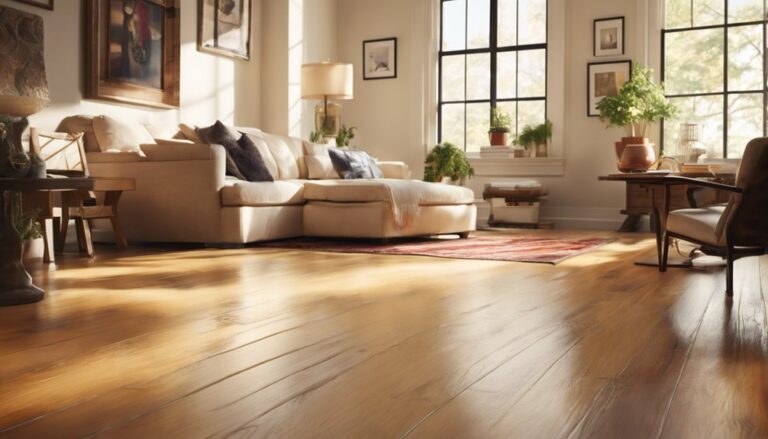

When deciding between vinyl and laminate flooring, you should consider several factors. Vinyl excels in water resistance, making it ideal for moisture-prone areas like kitchens and bathrooms. It's typically less expensive and easier to install, especially for DIYers. On the other hand, laminate offers greater aesthetic appeal with detailed textures but may swell if exposed to prolonged moisture. While laminate is scratch-resistant, it often requires professional installation, increasing costs. Your choice ultimately hinges on your specific needs and style preferences. Stay tuned to explore in-depth comparisons of durability and cost-effectiveness to make the best decision for your space.
Overview of Vinyl Flooring
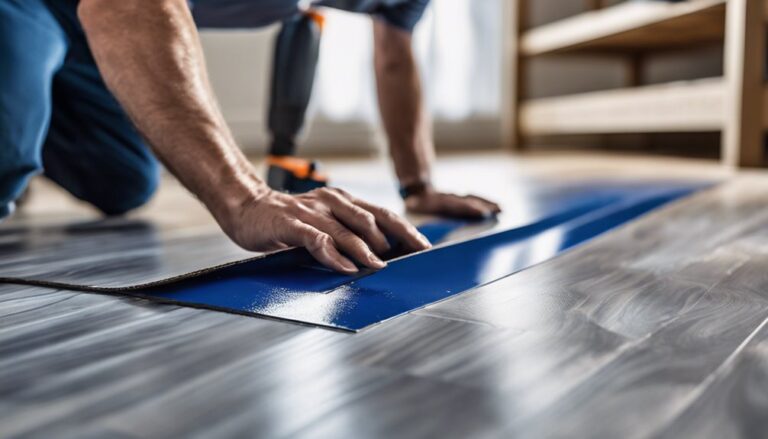
Vinyl flooring, a popular choice for many homeowners, offers a versatile and durable solution for various spaces. You'll find that there are several vinyl types available, including luxury vinyl tiles (LVT), vinyl sheets, and vinyl planks, each designed to meet different aesthetic and functional needs. The installation process is relatively straightforward, allowing for both DIY and professional options. Click-lock and glue-down methods are common, with the choice depending on your skill level and the specific vinyl type. Additionally, vinyl flooring is resistant to moisture and easy to maintain, making it suitable for kitchens, bathrooms, and high-traffic areas. By understanding these aspects, you can confidently select the right vinyl flooring to enhance your living environment.
Overview of Laminate Flooring
Laminate flooring is a cost-effective alternative that mimics the appearance of hardwood, stone, or tile while providing durability and ease of maintenance. It consists of several layers, including a high-density fiberboard core and an image layer that offers realistic visuals. The installation process is straightforward, often utilizing a click-lock system that allows for floating installation over various subfloors, reducing the need for adhesives or nails. For peak performance, maintenance tips include regular sweeping or vacuuming to remove dirt and debris, along with occasional damp mopping to maintain its luster. Avoid excessive water exposure, as it can damage the core. By following these guidelines, you can enjoy the aesthetic appeal of laminate flooring while preserving its longevity and functionality.
Durability Comparison
When comparing durability, it's essential to take into account the different properties of vinyl and laminate flooring. Vinyl flooring excels in water resistance, making it ideal for moisture-prone areas like bathrooms and kitchens. Its composition allows it to withstand spills without warping or damage. On the other hand, laminate flooring offers impressive scratch resistance thanks to its tough outer layer, which can endure daily wear and tear effectively. However, laminate isn't as water-resistant as vinyl; prolonged exposure to moisture can lead to swelling and deterioration. Ultimately, your choice will depend on the specific environment and the types of stresses your flooring will face. Balancing scratch resistance and water resistance is key to ensuring your flooring meets your lifestyle needs.
Cost Analysis
Cost is an essential factor to reflect upon when choosing between vinyl and laminate flooring, as both options vary greatly in price. When evaluating costs, consider the following:
- Material Costs: Vinyl tends to be less expensive upfront than laminate.
- Installation Expenses: Vinyl can often be installed as a DIY project, saving you labor costs; laminate usually requires professional installation, increasing expenses.
- Maintenance Costs: Vinyl generally requires lower maintenance, while laminate may need occasional refinishing, adding to long-term expenses.
Aesthetic Options
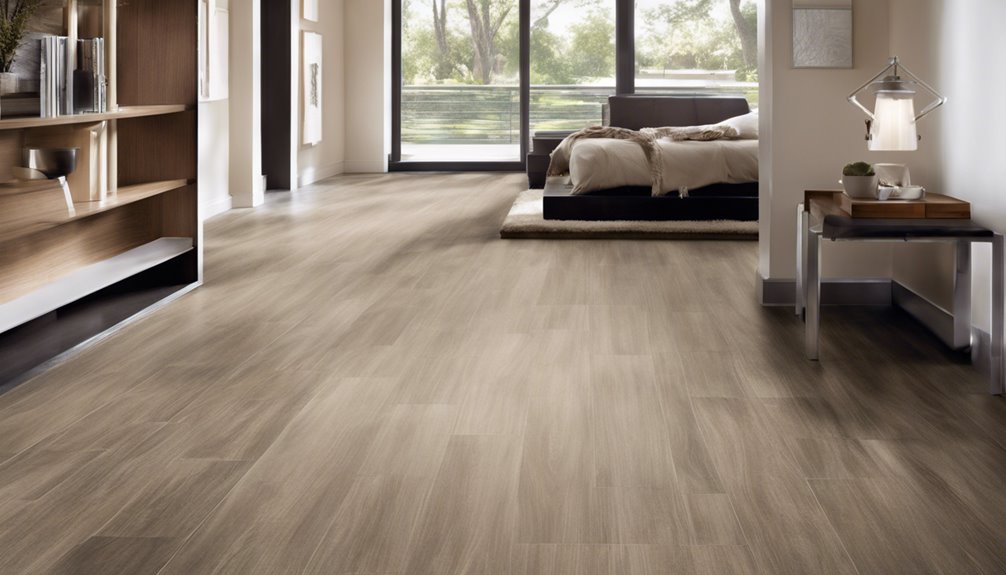
Although both vinyl and laminate flooring offer a range of aesthetic options, their visual appeal can differ greatly. Vinyl flooring typically provides a higher color variety, allowing you to find shades and patterns that mimic natural materials like wood or stone. This makes it an excellent choice for those seeking a specific look or theme. On the other hand, laminate flooring offers impressive design flexibility, often featuring intricate textures and finishes that enhance its visual depth. However, laminate may have fewer color options compared to vinyl. Ultimately, your choice will depend on your desired aesthetic, as both materials can complement diverse interior designs while providing durability and ease of maintenance. Consider your personal style when making a decision.
Frequently Asked Questions
Can Vinyl or Laminate Flooring Be Installed Over Existing Floors?
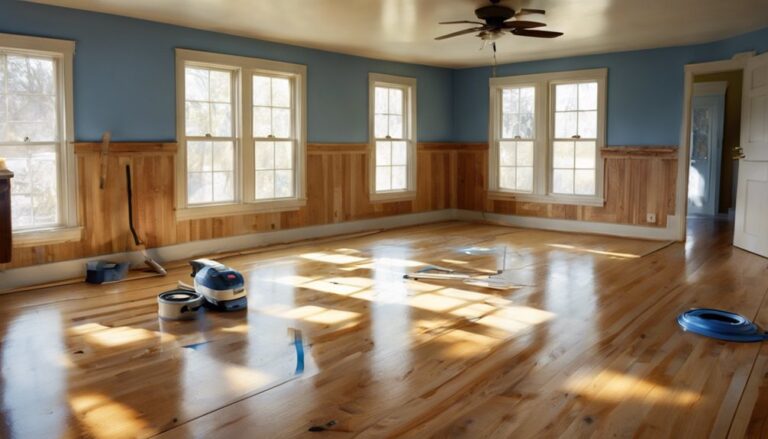
Yes, you can install vinyl or laminate flooring over existing floors, but there are important installation considerations. First, make sure the current flooring is in good condition and compatible; any damage or excessive height can affect the new flooring's performance. Remove any carpets or loose tiles, and check for moisture issues. It's essential to use an underlayment that suits both the existing floor and the new material for maximum durability and comfort.
How Do I Clean and Maintain Vinyl and Laminate Flooring?
Imagine your floors as a canvas; every cleaning method you choose adds to its masterpiece. For vinyl and laminate, use a damp mop and a gentle, pH-neutral cleaner to prevent damage. Avoid harsh chemicals that could strip away your flooring's finish. Regularly sweep or vacuum to remove debris, and consider placing mats at entryways for extra protection. These maintenance tips guarantee your floors remain vibrant, allowing you the freedom to enjoy your space fully.
Are There Eco-Friendly Options for Vinyl and Laminate Flooring?
Yes, there are eco-friendly options for both vinyl and laminate flooring. You can look for products made from sustainable materials, which often include recycled content. Many manufacturers now offer options that are free from harmful chemicals, enhancing indoor air quality. Additionally, some brands provide recycling options for their flooring at the end of its life cycle, allowing you to minimize waste and contribute to a more sustainable environment.
What Are the Common Installation Methods for Both Flooring Types?
When considering installation methods for flooring, you'll typically encounter two main types: glue down and click lock. Glue down involves adhering the flooring directly to the subfloor with adhesive, providing a stable, long-lasting finish. On the other hand, click lock systems allow for a floating installation, where planks interlock without adhesive, making it easier and quicker to install. Each method offers unique advantages, so choose based on your specific needs and preferences.
How Do I Handle Moisture Issues With Vinyl and Laminate Flooring?
To handle moisture issues effectively, you should always install moisture barriers beneath your flooring. This protects against water damage and enhances flooring longevity. For vinyl, verify the subfloor is dry and level; for laminate, use a foam underlayment that includes moisture protection. Regularly check for leaks and spills, as prompt attention can prevent moisture buildup. If you notice persistent dampness, consider using a dehumidifier to maintain ideal conditions.